Menu

Mt.Kilimanjaro climbing

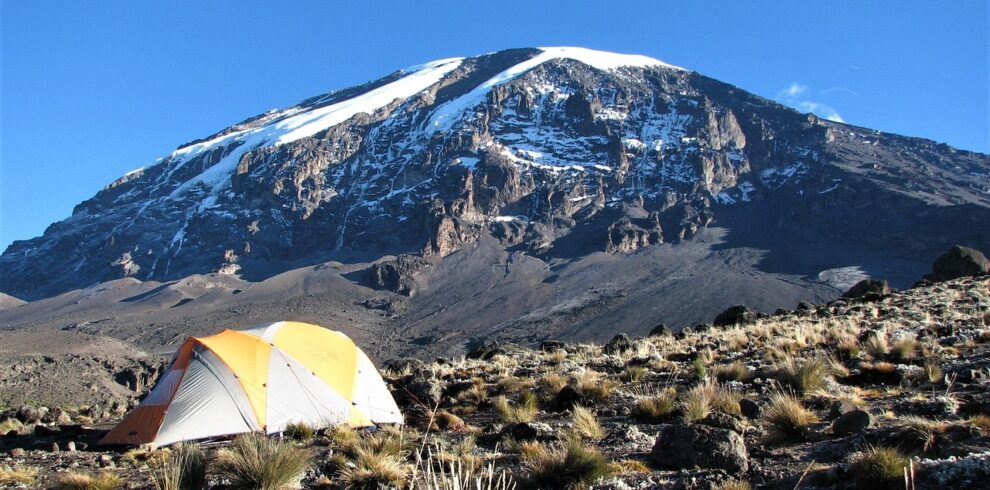
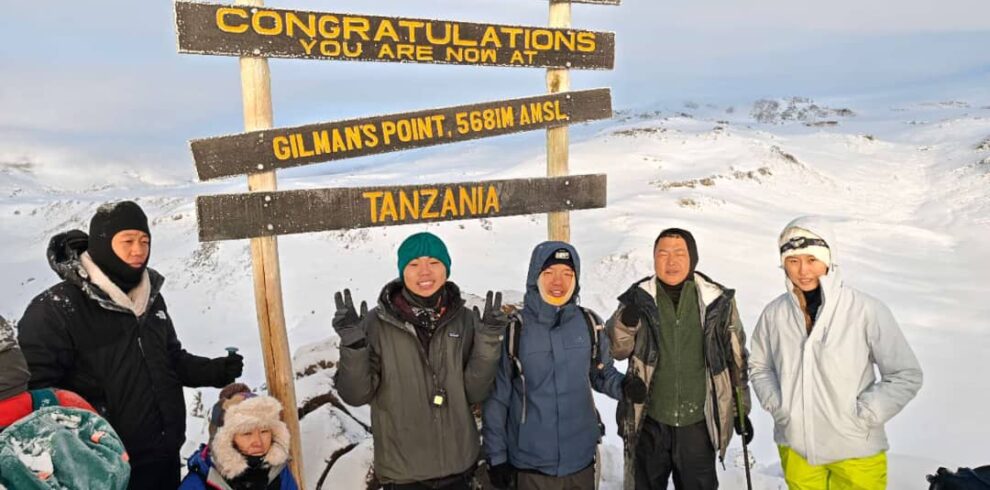
Mount Kilimanjaro is not just Africa’s tallest peak — it is a symbol of perseverance, nature’s power, and the profound beauty of Tanzania. Standing at about 5,895 meters (19,341 feet), Kilimanjaro is the highest free-standing mountain in the world, composed of three volcanic cones: Kibo (the summit cone), Mawenzi, and Shira. Trekking Kilimanjaro isn’t merely a hike — it is a transformative journey through shifting climates, ecosystems, local communities, inner strength, and unforgettable vistas.

Here’s what makes Kilimanjaro trekking such a sought-after experience, what you can expect, and how to prepare — especially when trekking with Western Bridge Africa.

Why People Trek Kilimanjaro

There are many reasons trekkers from around the world choose to climb Kilimanjaro. Some of the most common motivations include:

  • Achieving a personal goal: summiting Africa’s highest free-standing mountain is a bucket-list item for many.

  • Experiencing a diversity of landscapes & climates in one trek: from tropical forest to ice cap.

  • Physical challenge in a relatively accessible mountain: Kilimanjaro does not require technical climbing skills (for most routes) — no ropes, no ice axe (except for some optional or unusual routes) — though endurance, acclimatization, fitness matter.

  • Cultural interaction: meeting guides, porters, local Chagga or Maasai communities; staying in island huts or camps, tasting local food, hearing stories.

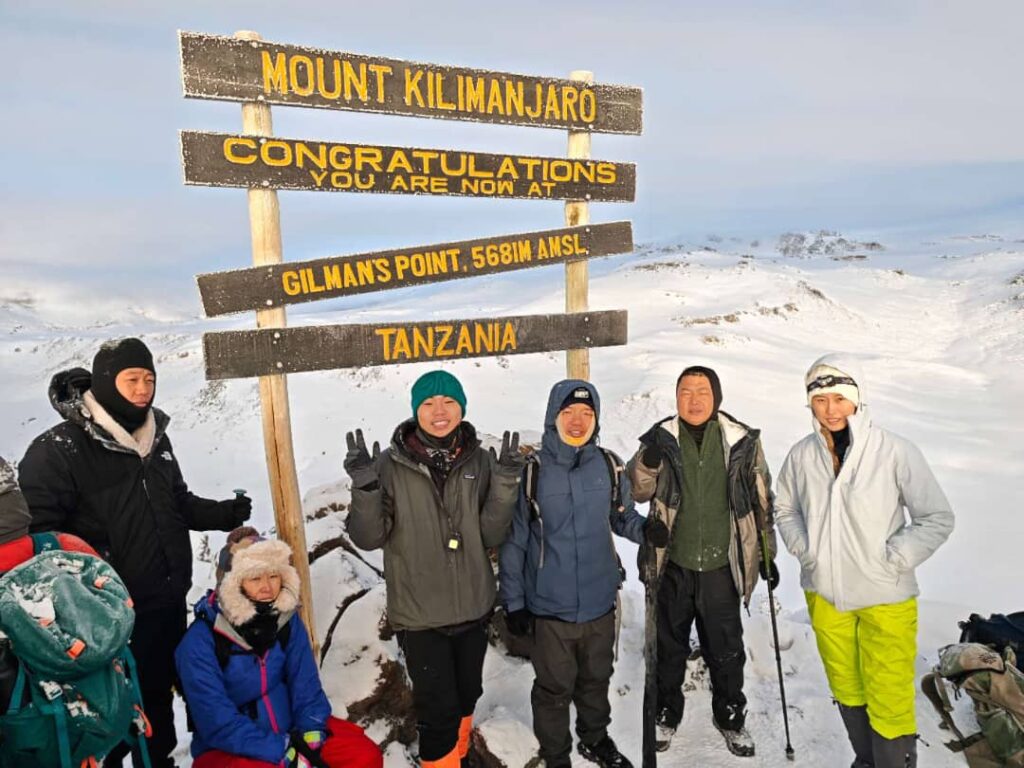
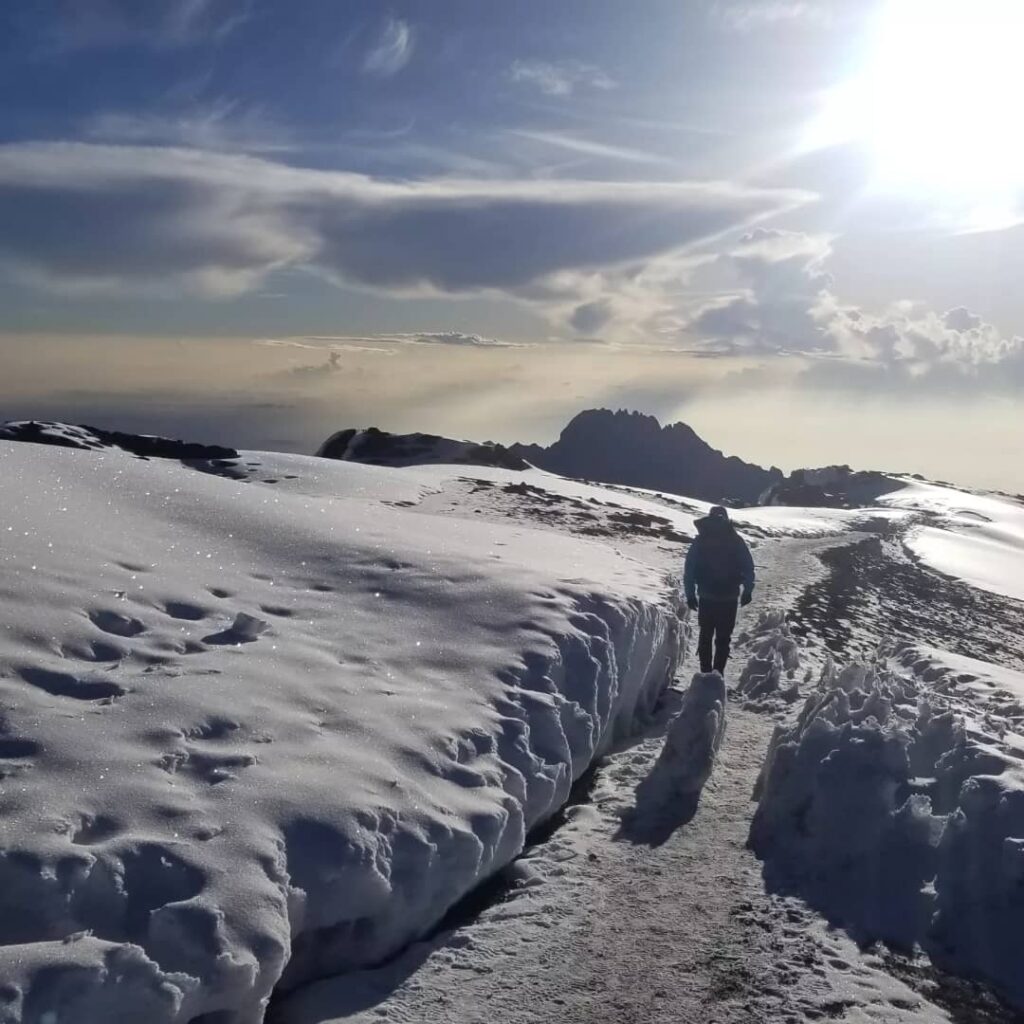
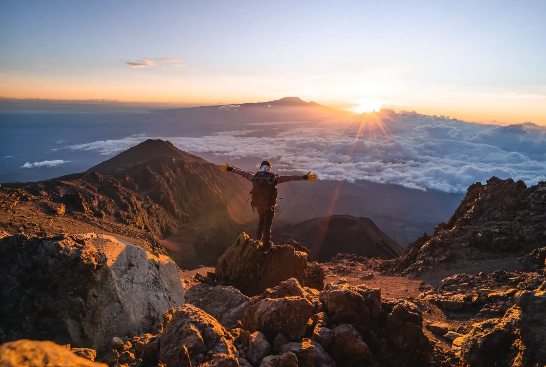
  • Stunning views at sunrise from Uhuru Peak, looking over the clouds, glaciers, and vast savannah.

Our packages
Embark on an unforgettable adventure to summit Mount Kilimanjaro via the Rongai Route. This lesser-trodden path offers stunning views, a...
7 Days
$2,415

Discover the hidden alpine beauty of Mount Meru (4,566 m) on this thrilling 3-day trek through Arusha National Park.
1 Day
$1,500

The Lemosho Route on Mount Kilimanjaro is renowned for its stunning scenery and less crowded trails, making it an ideal...
7 Days
$2,903

The Lemosho Route on Mount Kilimanjaro is renowned for its stunning scenery and less crowded trails, making it an ideal...
7 Days
$3,255

Kilimanjaro Machame Route Highlights Signature Camping: Enjoy the comfort of spacious tents, delicious meals, and exceptional service throughout your adventure....
7 Days
$2,903

Embark on an unforgettable adventure to summit Mount Kilimanjaro via the Rongai Route. This lesser-trodden path offers stunning views, a...
7 Days
$2,903

Summit Mount Kilimanjaro at 19,340 feet, one of the world's seven summits. Traverse the scenic Lemosho Route, offering unmatched views...

7 Days
$2,500

Frequently Asked Questions

The difficulty of the Mount Kilimanjaro Trekking varies depending on several factors, including the route chosen, the trekker’s physical fitness, altitude acclimatization, and weather conditions. Here’s a breakdown of these factors: 1. Routes and Their Difficulty Levels Mount Kilimanjaro Trekking offers several routes, each with varying levels of difficulty: Marangu Route: Known as the “Coca-Cola” route, it’s considered the easiest but has a lower success rate due to shorter acclimatization time. It is the only route with hut accommodations. Machame Route: Also known as the “Whiskey” route, it’s more challenging than Marangu but offers better acclimatization and scenic views, leading to a higher success rate. Lemosho and Shira Routes: These routes are longer and provide excellent acclimatization, making them less strenuous despite being longer. Rongai Route: This is less crowded and approaches from the north, offering a moderate difficulty level with good acclimatization opportunities. Umbwe Route: Known for being very steep and direct, it is considered one of the most difficult routes due to its rapid ascent. 2. Physical Fitness Mount Kilimanjaro Trekking requires a good level of physical fitness. While no technical climbing skills are needed, the trek involves long days of hiking, often for 6-8 hours, and a significant elevation gain. Cardiovascular endurance, strength, and stamina are essential. 3. Altitude Acclimatization Altitude is one of the most significant challenges of the Mount Kilimanjaro Trekking. The summit, Uhuru Peak, stands at 5,895 meters (19,341 feet). Altitude sickness can affect anyone regardless of fitness level. Routes that offer gradual ascents and extra acclimatization days, like Lemosho or Northern Circuit, help improve the chances of reaching the summit without severe altitude sickness. 4. Weather Conditions Weather on Kilimanjaro can be unpredictable and varies with altitude. Trekkers experience different climate zones, from tropical forest at the base to arctic conditions at the summit. Being prepared for extreme cold, rain, and wind is crucial. 5. Mental Toughness The psychological aspect is often underestimated. Long days of trekking, coupled with the effects of altitude and potential discomfort from the weather, require mental resilience. The summit night is particularly challenging, involving a midnight start to reach the peak at sunrise. Conclusion Overall, the Mount Kilimanjaro Trekking is challenging but achievable for most people with adequate preparation. Choosing the right route, improving physical fitness, allowing for proper acclimatization, and preparing mentally for the trek are key to a successful ascent. While it’s not a technical climb, it demands determination, preparation, and respect for the mountain’s condition.
Climbing Mount Kilimanjaro is a remarkable adventure, and choosing the best time to embark on this trek can significantly enhance your experience. Here’s a detailed explanation of the optimal times for Mount Kilimanjaro Trekking, based on weather conditions and other factors: Ideal Climbing Seasons January to March Weather: These months are part of the short dry season. The weather is generally mild with clear skies, offering good visibility. Advantages: Less crowded compared to the peak season. The temperatures are warmer, especially during the day. Challenges: The nights can be cold, and there may be some snow on the summit, adding to the challenge but also to the scenic beauty. June to October Weather: This period encompasses the long dry season. It’s the most popular time to climb due to stable and dry weather conditions. Advantages: Clear skies, less rain, and lower humidity. The paths are less muddy, and the risk of rain is minimal. Challenges: It’s the busiest time on the mountain, which means more crowded trails and campsites. Booking well in advance is essential. Shoulder Seasons November Weather: This month marks the beginning of the short rainy season. Weather can be unpredictable with intermittent rain. Advantages: Fewer climbers, offering a more solitary and tranquil experience. Lush landscapes due to the onset of rains. Challenges: Wet and muddy trails, which can make the trek more difficult and less enjoyable. April to May Weather: These months fall within the long rainy season. Heavy rains are common, making conditions challenging. Advantages: Very few climbers on the mountain, providing a unique and solitary experience. The surrounding vegetation is vibrant and lush. Challenges: Wet, muddy, and slippery trails. Higher chance of cloud cover and poor visibility. Increased difficulty in terms of trekking conditions. Additional Considerations Crowds: If you prefer a less crowded experience, aim for the shoulder seasons or the beginning/end of the primary dry seasons (late January or early October). Temperature: The summit can be extremely cold regardless of the season, but night temperatures are generally colder from June to October. Wildlife and Scenery: The rainy seasons, particularly from March to May, can offer stunning views of lush, green landscapes and more abundant wildlife. Summary For the best experience, the prime times for Mount Kilimanjaro Trekking are from January to March and from June to October. These periods offer the most favorable weather conditions, ensuring a safer and more enjoyable trek. However, if you seek a quieter adventure and are prepared for more challenging conditions, the shoulder seasons of November and April-May can provide a unique and rewarding experience.
Reaching the base camp, whether it’s for Mount Kilimanjaro Trekking or another major expedition, involves several key steps that include preparation, travel, and trekking. Here is a general outline of the process: 1. Preparation Physical Training Cardiovascular Training: Engage in activities like running, cycling, and swimming to build endurance. Strength Training: Focus on exercises that build core strength and leg muscles. Hiking Practice: Regularly hike with a loaded backpack to simulate trekking conditions. Gear and Equipment Clothing: Layered clothing, including thermal wear, waterproof jackets, trekking pants, and sturdy hiking boots. Gear: Sleeping bags, trekking poles, backpacks, headlamps, and a first-aid kit. Technology: GPS devices, satellite phones, and cameras. Permits and Documentation Obtain necessary permits and visas. For example, trekking to Kilimanjaro requires a National Park permit. 2. Travel to the Region Flights International Flight: Fly into the nearest major airport (e.g., Kilimanjaro International Airport JRO). 3. Route Planning Route: Research and plan the route. For Mount Kilimanjaro Trekking. Acclimatization Altitude Sickness: Gradual ascent is crucial to prevent altitude sickness. Plan rest days for acclimatization, Hydration and Nutrition: Drink plenty of water and eat high-calorie foods to maintain energy levels. Daily Trekking Pace: Maintain a steady, manageable pace to avoid exhaustion. Guides and Porters: Consider hiring local guides and porters for navigation and carrying heavy loads. 4. Reaching the Base Camp Final Ascent The final trek to base camps. Ensure you are well-rested and adequately acclimatized. Enjoy the Journey Take time to appreciate the surroundings, interact with fellow trekkers, and capture memories with photographs. Safety Precautions Monitor for signs of altitude sickness: headache, nausea, dizziness. Stay updated on weather conditions. Follow local guidelines and respect the environment.
Packing for Mount Kilimanjaro Trekking requires careful consideration to ensure you have everything you need while keeping your load manageable. Here’s a comprehensive guide to what you should pack for your trekking adventure: Essential Gear Backpack: Choose a durable, comfortable, and waterproof backpack with a capacity appropriate for the duration of your trek (30-50 liters for a day trek, 50-70 liters for multi-day treks). Daypack: If you have a larger pack, a small daypack is useful for short excursions from your base camp. Clothing Base Layers: Moisture-wicking underwear and shirts to keep sweat away from your body. Insulating Layer: A fleece or down jacket to keep you warm during cold conditions. Outer Layer: A waterproof and windproof jacket and pants. Trekking Pants: Comfortable, quick-drying pants. Extra Clothing: Extra pairs of socks and underwear. Consider bringing a spare shirt and pants. Hat and Gloves: For sun protection and warmth in colder weather. Buff or Scarf: To protect your neck from sun or wind. Footwear Trekking Boots: Sturdy, waterproof, and well-broken-in boots. Camp Shoes: Lightweight shoes for wearing around the campsite. Socks: High-quality, moisture-wicking trekking socks. Consider bringing liner socks to prevent blisters. Sleeping Gear Sleeping Bag: Choose one rated for the coldest temperatures you expect. Sleeping Pad: For insulation and comfort. Tent: Lightweight and weather-appropriate (if not provided or staying in huts). Navigation and Safety Map and Compass: Essential for navigation, even if you have a GPS. GPS Device or Smartphone: With offline maps and a power bank. First Aid Kit: Including blister treatment, bandages, antiseptic, pain relievers, and any personal medications. Multitool or Knife: For various tasks. Headlamp or Flashlight: With extra batteries. Whistle: For emergency situations. Fire Starter: Waterproof matches or a lighter. Hydration and Nutrition Water Bottles or Hydration Bladder: Ensure you have enough capacity for the length of your trek. Water Purification: Tablets, filter, or UV purifier. Food: Lightweight, high-energy foods like nuts, dried fruits, energy bars, and freeze-dried meals. Stove and Fuel: Lightweight and suitable for your chosen cooking method. Cookware and Utensils: Lightweight pot, mug, spork, and a small cleaning kit. Personal Items Sunscreen: High SPF to protect against UV rays. Lip Balm: With SPF. Toiletries: Biodegradable soap, toothbrush, toothpaste, and a quick-dry towel. Toilet Paper: In a waterproof bag, along with a trowel for burying waste. Insect Repellent: To keep bugs at bay. Personal Identification: ID, permits, and any necessary documents. Optional but Useful Trekking Poles: For stability and to reduce strain on your legs. Camera: To capture the memories. Journal and Pen: For documenting your journey. Sunglasses: To protect your eyes from the sun’s glare. Portable Charger: For keeping your devices powered. Tips Layering: Dress in layers to adjust easily to changing weather conditions. Weight Distribution: Pack heavier items close to your back and centered to maintain balance. Test Your Gear: Before your trek, ensure all your gear is in good condition and fits comfortably. By carefully considering these items and tailoring your pack to the specific conditions and length of your trek, you’ll be well-prepared for a safe and enjoyable adventure.
Mount Kilimanjaro Trekking is an incredible adventure, but it’s also a significant physical challenge. Here are several reasons why getting fit for this trek is crucial: 1. Altitude Acclimatization Mount Kilimanjaro stands at 5,895 meters (19,341 feet), making it the highest peak in Africa. At such high altitudes, the air is thinner and contains less oxygen, which can lead to altitude sickness. Being fit helps your body adapt more efficiently to lower oxygen levels, reducing the risk of severe altitude sickness. 2. Endurance and Stamina The trek involves long days of hiking, often over steep and rugged terrain. A typical day can last between 5 to 7 hours, with the summit day being much longer, sometimes up to 12-15 hours of continuous walking. Good physical fitness increases your stamina and endurance, making these long days more manageable. 3. Strength and Stability The diverse terrain of Kilimanjaro includes rocky paths, loose scree, and sometimes snow and ice. Building strength, particularly in your legs, core, and back, helps you maintain stability and balance, reducing the risk of falls and injuries. 4. Mental Resilience Physical fitness contributes to mental toughness. The trek can be mentally demanding due to the challenging conditions, including cold temperatures, fatigue, and the psychological pressure of summit day. A strong body often supports a strong mind, helping you stay positive and motivated. 5. Injury Prevention Proper fitness training, including strength and flexibility exercises, can help prevent common trekking injuries such as sprains, strains, and joint issues. A fit body is better equipped to handle the physical stress of the Mount Kilimanjaro Trekking, allowing you to recover quickly from minor issues and avoid major setbacks. 6. Enjoyment and Experience Being in good shape enhances your overall enjoyment of the trek. Instead of struggling with every step, you can appreciate the stunning landscapes, diverse ecosystems, and unique wildlife. Fitness allows you to fully immerse yourself in the experience rather than being preoccupied with physical discomfort. 7. Safety for Yourself and Others A fit trekker is more likely to complete the trek safely and is better equipped to handle emergencies. Additionally, your fitness level affects the group’s pace and safety; being fit ensures you can keep up and contribute positively to the group dynamics. Conclusion Preparing physically for the Mount Kilimanjaro Trekking involves cardiovascular training, strength training, flexibility exercises, and hiking practice. This preparation not only enhances your chances of reaching the summit but also ensures you do so safely and enjoyably. By investing in your fitness, you maximize the rewards of this once-in-a-lifetime adventure.
The best seasons are January–March and June–October when the weather is stable and trails are dry. Avoid April and May due to heavy rains, which make trekking tougher and less enjoyable.
Marangu Route – Easier with hut accommodations but crowded. Machame Route – Scenic and popular but steeper. Lemosho Route – Best for acclimatization, offering stunning views. Rongai Route – Quieter and drier, great for those avoiding crowds. Northern Circuit – Longest and best for altitude adaptation.
Yes, independent trekking is not allowed. The Tanzanian government requires all trekkers to be accompanied by licensed guides and a support crew
Altitude sickness is caused by low oxygen at high elevations. Prevent it by: Choosing a longer route for better acclimatization. Staying hydrated and eating well. Taking it slow—“Pole, pole” (slowly, slowly) is the golden rule. Using altitude medication like Diamox if necessary.
Success rates depend on the route: Short routes (Marangu, Machame in 5–6 days) = 50-60% Longer routes (Lemosho, Northern Circuit) = 85-90% The more days you take, the higher your chances of success.